 EN
 DE
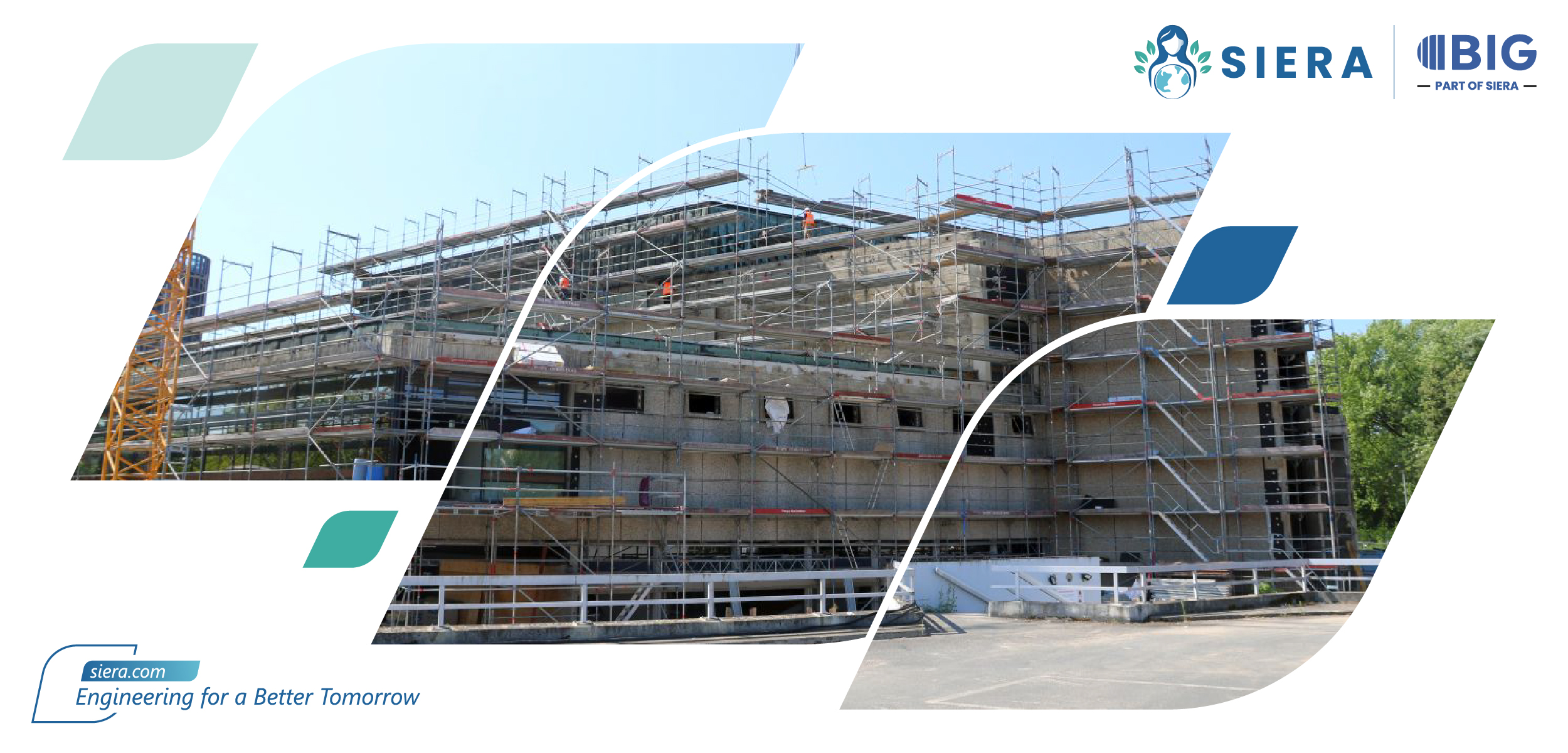
Preserving an important cultural monument whilst adapting it to the needs of both the present and the future requires a particularly responsible approach to the existing structure. It is precisely this task that defines the comprehensive refurbishment of the Stadthalle Braunschweig.
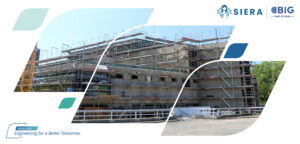
Opened in 1965, the building, with its striking diamond-shaped architecture, remains a defining feature of Braunschweig’s cityscape to this day. After almost 60 years, the venue is now undergoing a major modernisation. The focus is on preserving historic features, enhancing functionality and ensuring full compliance with heritage protection regulations.
A sustainable event venue is to be built by 2028 with a budget of around 140 million euros. As part of the project, Prof. Burmeier Ingenieurgesellschaft mbH - Part of SIERA – planning and supervising the removal of hazardous materials during the gutting of the building.
Preserving heritage and regeneration in harmony
The restoration of a listed building requires a careful balance. Historic features should be preserved, professionally restored and, where possible, reinstalled. At the same time, any identified hazardous substances must be dealt with safely and in accordance with the relevant requirements.
The Braunschweig Stadthalle combines these tasks in a unique way. Preserving the building’s architectural character is a key element of the planning process. For this reason, existing building elements are not only inspected but also assessed with regard to their future use and their heritage value.
This approach helps to preserve the history of the site whilst at the same time laying the foundations for its long-term use.
Contaminant remediation as a key project task
Comprehensive investigations were carried out before the refurbishment work began. Amongst other things, the following pollutants were identified:
- Asbestos
- Polycyclic aromatic hydrocarbons, or PAHs for short
- Polychlorinated biphenyls, or PCBs for short
- Synthetic mineral fibres
The findings of these surveys form the basis for bespoke restoration plans. These plans are closely coordinated with all the specialist disciplines involved, so that the work can be carried out safely, transparently and in a manner that is compatible with the preservation of the historic building elements.
As part of this challenging process, Prof. Burmeier Ingenieurgesellschaft mbH within SIERA draws on its expertise in the remediation of hazardous substances. The planning and supervision during the gutting work lay an important foundation for the subsequent refurbishment and modernisation stages.
4,700 square metres of parquet flooring to be preserved rather than replaced
A particularly telling example of the careful handling of existing structures is the historic parquet flooring. Around 4,700 square metres of parquet are being removed by hand, without causing any damage, due to the presence of adhesives containing PAHs.
Once the parquet flooring has been removed, it will be carefully restored and later refitted. This ensures that a defining feature of the building is preserved, even though the underlying contamination makes refurbishment necessary.
| project aspect | Procedure | Objective |
| Historic parquet flooring | Non-destructive removal by hand | Preservation of the valuable collection |
| Adhesives containing PAHs | Remediation of contaminated sites prior to reuse | Protection of health and the environment |
| Preparing the parquet flooring | Careful handling and subsequent refitting | Combining heritage conservation and sustainable use |
| Voting within the project | Coordination with the relevant specialist planning teams | Reliable implementation of the refurbishment measures |
The preservation of the parquet flooring demonstrates that the removal of hazardous substances and the preservation of historic buildings need not be at odds with one another. With careful planning, both objectives can be achieved simultaneously: the responsible management of hazardous substances and the long-term preservation of a building of cultural and historical significance.
Sustainable management of the building stock
Upgrading existing buildings rather than replacing them can make a significant contribution to a responsible building culture. In the case of the Braunschweig Stadthalle, this is not merely a matter of renovating an event venue. The project demonstrates how cultural value, potential uses and environmental engineering requirements can be taken into account together.
The sustainable preservation of building elements such as parquet flooring safeguards the building’s material value and identity. At the same time, the removal of hazardous substances ensures that modernisation can be carried out on a reliable basis.
This combination of preservation, careful restoration and long-term usability is crucial to the future of a building that has shaped the cityscape of Braunschweig for decades.
Working together to create a sustainable town hall
The refurbishment of the Braunschweig Stadthalle is a long-term project involving a high level of responsibility with regard to history, use and health and safety. Close coordination between all parties involved is crucial to successfully meeting the specific requirements of a listed building.
By planning and overseeing the remediation of contaminated sites, it provides Prof. Burmeier Ingenieurgesellschaft mbH together with SIERA an important contribution to the careful further development of this cultural monument. The project combines professional rigour with the aim of permanently preserving a significant site for Braunschweig and making it accessible to future generations.
CTA
Find out more about the expertise of Prof. Burmeier Ingenieurgesellschaft mbH - Part of SIERA – in the remediation of contaminated sites and the responsible management of valuable existing buildings
Engineering for a Better Tomorrow